Book Club
Currently
〰️
Reading
〰️
Currently 〰️ Reading 〰️
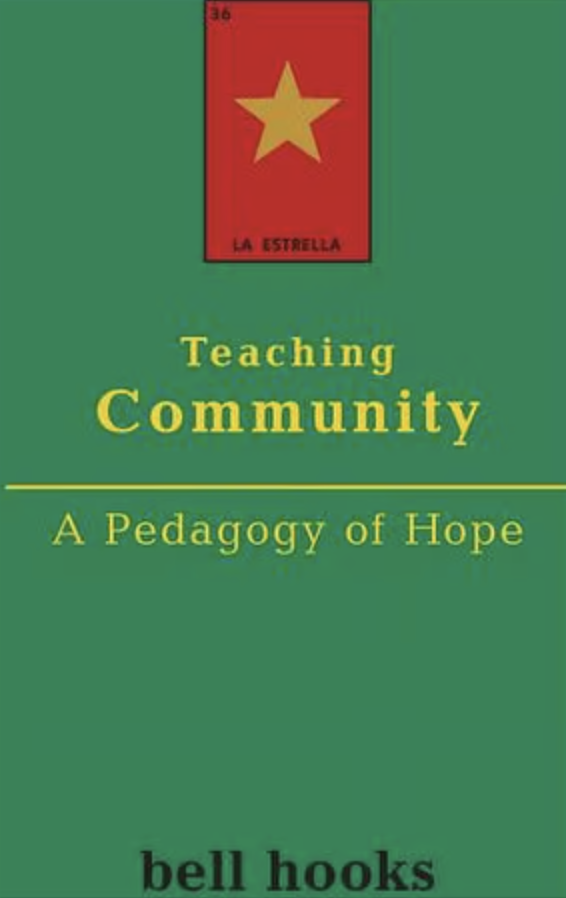
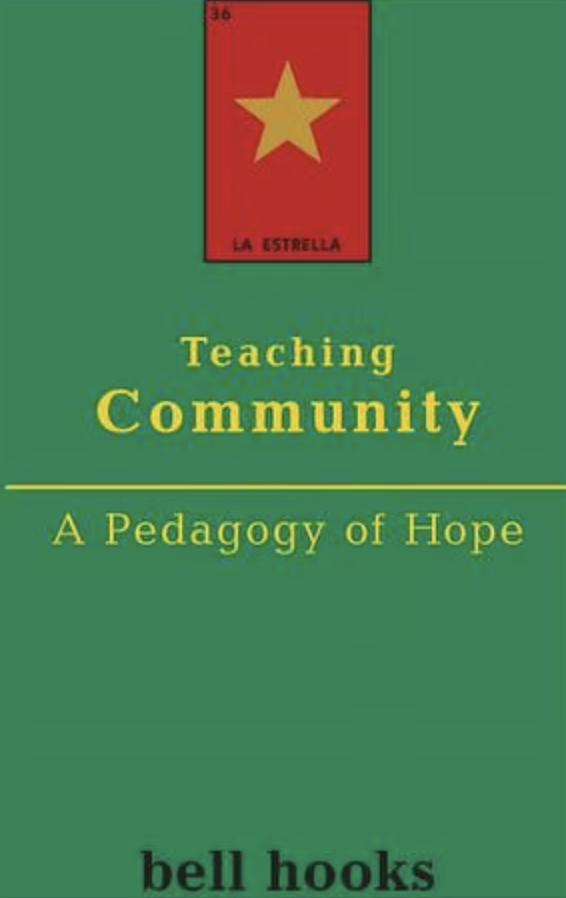
Teaching Community
By Bell Hooks
Description
Teaching Community: A Pedagogy of Hope (2003) is a visionary book by bell hooks of sixteen essays that serves as a sequel to her seminal 1994 work, Teaching to Transgress: Education as the Practice of Freedom.
Core Message
The core message of Teaching Community is that education must function as a "practice of freedom" and a vehicle for social transformation, moving beyond traditional authoritarian classrooms to build a "beloved community”.
Key Lessons & Examples
Education as the Practice for Freedom and Hope. Schools often socialize students to accept systems of white supremacy, patriarchy, and capitalist exploitation. Critical pedagogy exposes these hidden political influences so students can actively resist domination.
A Pedagogy of Hope. Choosing to believe in a better, more egalitarian future is an intentional political and spiritual act. Hope keeps teachers and students from falling into cynicism or despair.
Democratic Education Beyond Classroom Walls. Democratic education cannot be confined to four walls; it happens in homes, churches, bookstores, and public spheres.
Moving From Theory to Practice (Praxis). Intellectual explanations of racism or inequality are not enough on their own. Building a "beloved community" requires applying critical theory concretely to daily habits, self-reflection, and how we treat one another.
reading list